

Akshaya Holidays
3 Mins Read

Sri Lanka in Monsoon — Is July and August a Good Time to Visit?
By: Akshaya Holidays Travel Expert Team | Experience: 25+ Years Planning Sri Lanka Trips from Chennai Last Updated: June 2026
Introduction
If you are travelling from Chennai and weighing a Sri Lanka trip in July or August, the word “monsoon” probably gives you pause. It is a fair concern — Sri Lanka does experience a real monsoon during these months. But here is what most generic travel guides do not explain clearly: Sri Lanka has two separate monsoon systems that hit opposite sides of the island at different times of the year. In July and August, only the southwest coast is affected, while the east coast is enjoying some of its best weather of the entire year.
This means the right answer to “is July–August a good time to visit Sri Lanka” depends entirely on which part of the island you plan to see and with the right itinerary, this can actually be one of the smartest times to travel. At Akshaya Holidays, we have been planning Sri Lanka trips for Chennai travellers for over 25 years, including plenty of July and August departures. This guide explains exactly what to expect, region by region, so you can decide with confidence.
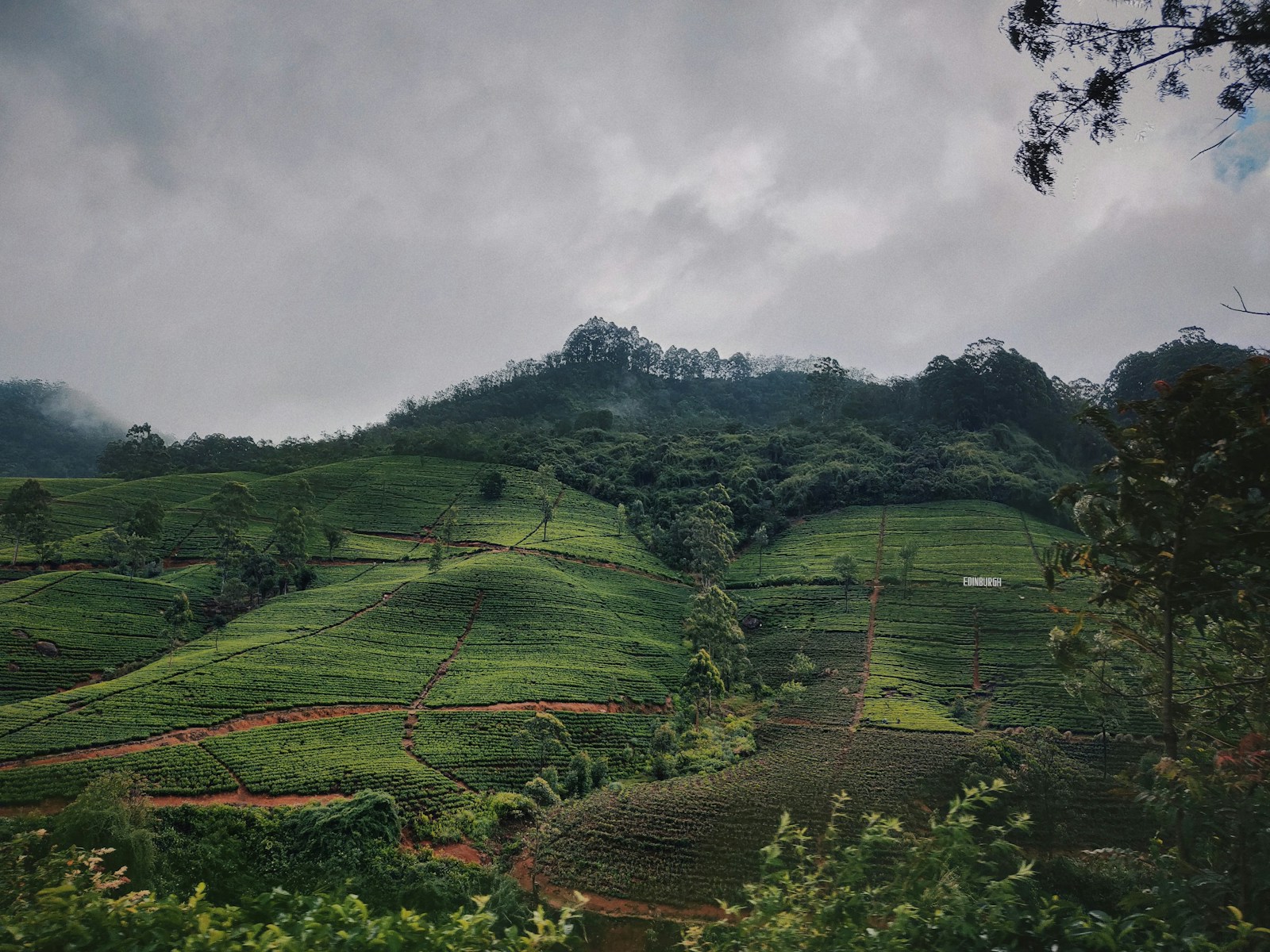
Understanding Sri Lanka’s Two Monsoon Systems
Sri Lanka’s climate is shaped by two independent monsoon systems that move across the island in opposite directions throughout the year.
Southwest Monsoon (Yala Monsoon): May to September. This monsoon brings rain to the south and west coasts and the Hill Country.
Northeast Monsoon (Maha Monsoon): October to February. This monsoon mainly affects the north and eastern coastal regions, including Jaffna, Trincomalee, and Batticaloa.
The practical takeaway: when one side of Sri Lanka is wet, the other side is typically dry, which makes Sri Lanka a year-round destination as long as you choose the right region for your travel dates. July and August fall squarely in the middle of the Southwest Monsoon, so this guide focuses on what that means for each part of the island.
July in Sri Lanka — Region by Region
July sits firmly within the southwest monsoon, and the contrast between the west and east coasts is one of the sharpest of the year.
Southwest Coast (Colombo, Galle, Bentota, Mirissa): Expect rainfall of 175 to 300 mm along the southwest coast, typically arriving as afternoon downpours, while the east coast remains significantly drier at just 50 to 100 mm. Peak rainfall on the southwest coast and Galle area falls in June and July, with totals of 1,600 to 3,000 mm across the season.
East Coast (Trincomalee, Arugam Bay, Batticaloa): While the southwest sits in the middle of the monsoon, the east coast enters its sunniest and most reliable beach season of the year, with warm seas, steady surf, and long beach days.
Temperatures: Island-wide daytime highs typically range between 27°C and 31°C, with nights staying warm and humid between 24°C and 26°C. Humidity of 75 to 85 percent can make midday feel heavier, particularly in Colombo and other west coast cities.
Wildlife and Cultural Triangle: July is actually the last prime month for wildlife viewing at Yala National Park before conditions change later in the season.
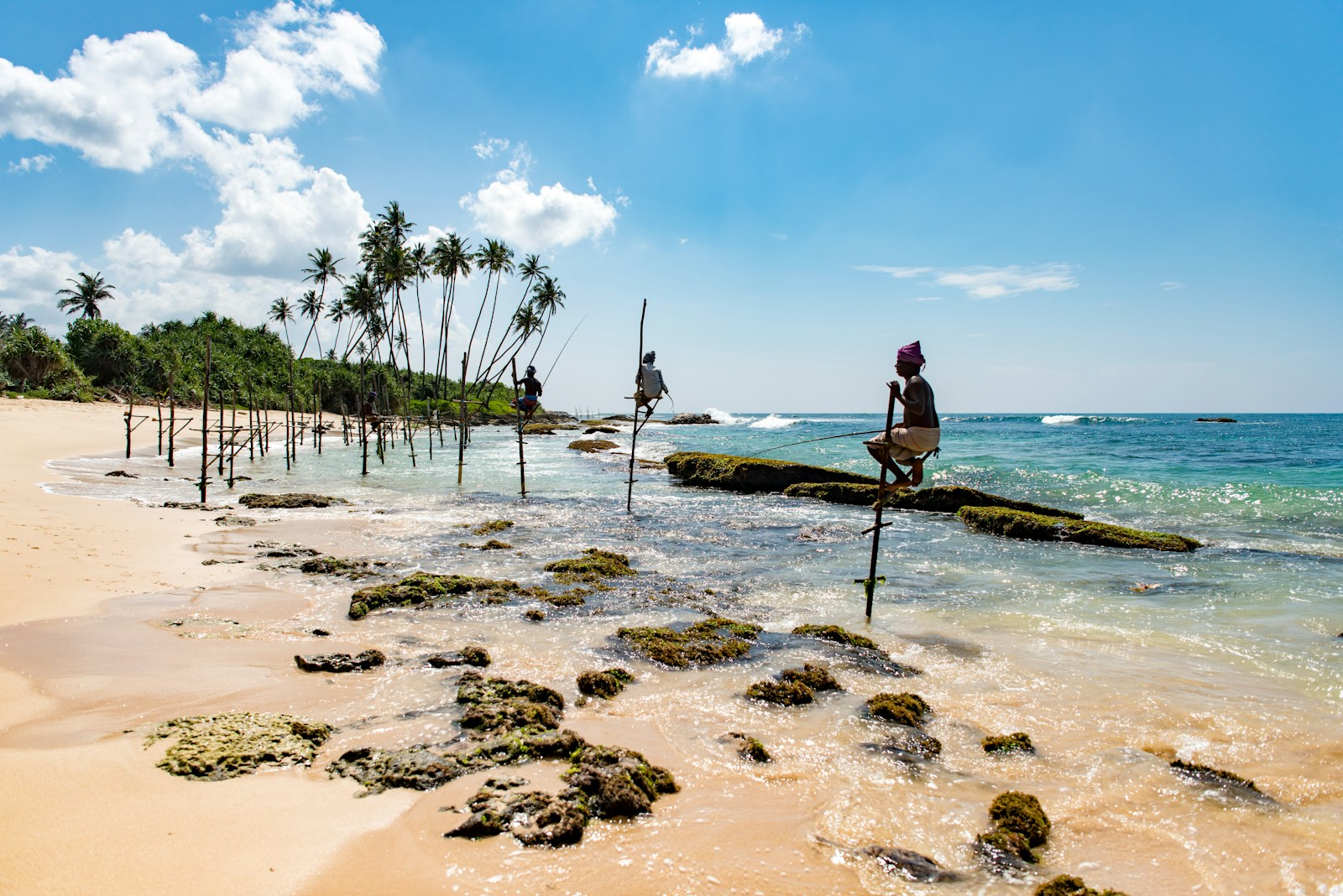
August in Sri Lanka — Region by Region
August is the closing month of the southwest monsoon and behaves similarly to July, with a few notable differences.
Southwest Coast: August sits at the end of the southwest monsoon, so the southwest of the island sees more rain during this time, while the northwest and southeast coasts remain drier. Colombo typically sees a normal high of around 30°C in August.
East Coast: August remains a favourite month for families, with hot, dry, and sunny conditions in the north while the monsoon rains in the southwest begin to ease. Whale watching season off Trincomalee is in full swing during this month.
Wildlife: Leopards can still be sighted in Yala National Park in August, though increased crowds during this period may affect individual sightings.
Cultural Triangle (Sigiriya, Dambulla, Anuradhapura): The Cultural Triangle experiences less wind during August, though temperatures remain above 30°C throughout this region.
The Kandy Esala Perahera — A Reason to Visit in July–August
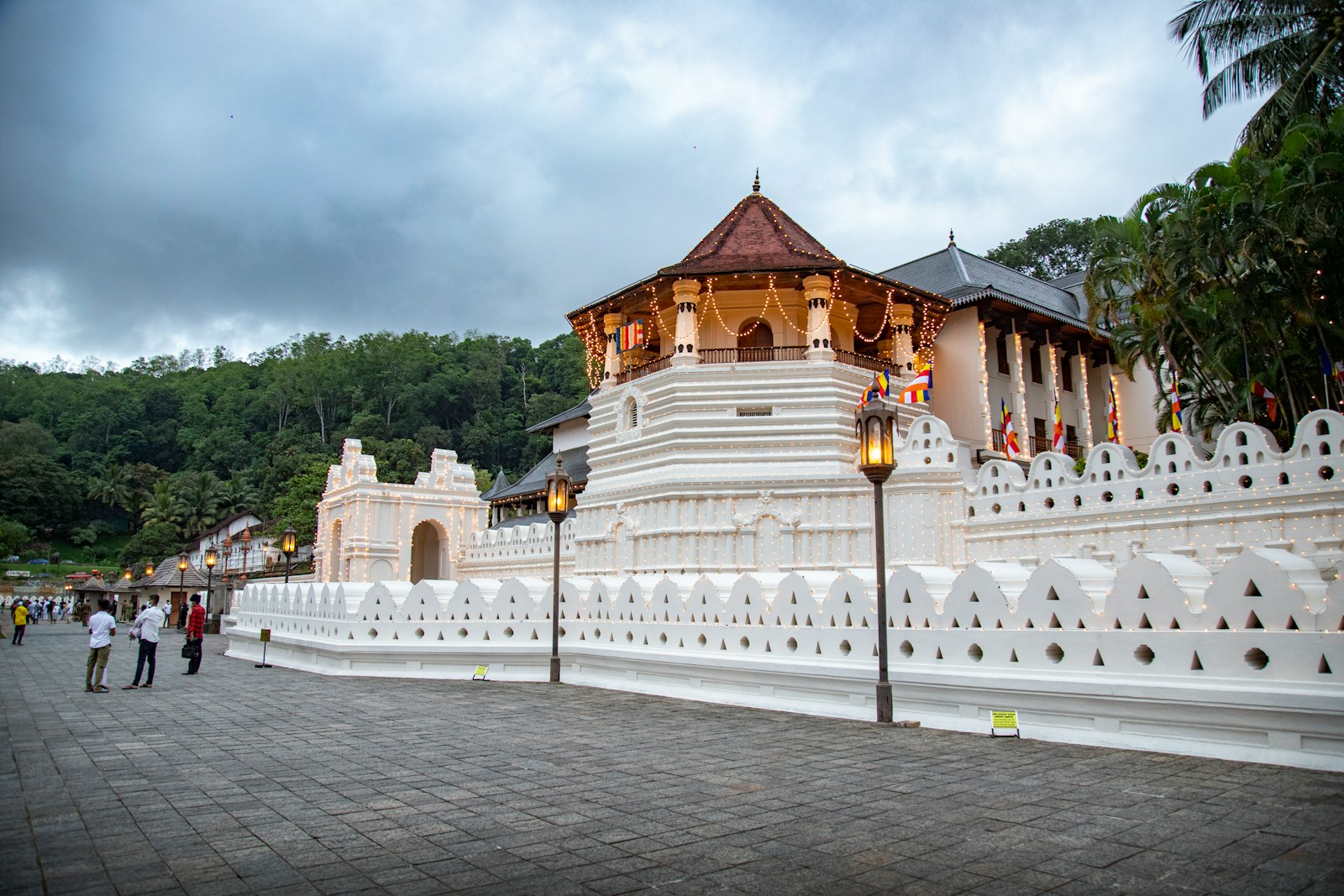
One of the strongest reasons to consider a July or August trip is timing it around the Esala Perahera, one of Asia’s grandest Buddhist festivals. This festival in late July and August features elephants, dancers, and elaborate processions through the streets of Kandy.
While the Perahera timing technically falls within the southwest monsoon that affects the south, many travellers successfully combine the festival in Kandy with onward exploration of the hill country and southern coast, experiencing afternoon rain alongside empty beaches and excellent hotel rates.
If your trip dates can be flexible, planning around the Perahera dates is one of the most memorable ways to experience Sri Lanka during these months. Our Srilankan Ramayana Trails package covers Kandy and the island’s most significant temple sites, making it well suited to a Perahera-timed visit.
Is It Actually Bad Weather, or Just Different Weather?
This is the most important reframe for anyone hesitant about a monsoon-season trip. Most days during the southwest monsoon still offer 4 to 6 hours of good weather, which is generally enough for sightseeing, beach time, or planned activities, particularly if scheduled for the morning.
Typical days bring sunny mornings ideal for beach time, sightseeing, or whale watching, followed by afternoon rain — rather than non-stop downpours.
What changes during monsoon months on the southwest coast:
Swimming can become dangerous due to rough seas, so always respect red flag warnings at beaches
Scenic mountain drives may have reduced visibility during periods of heavy rain
Some flooding is possible in low-lying areas during intense downpours
Occasional flight delays for both domestic and international travel are possible during heavy weather
What stays the same or improves:
Hotel rates on the southern coast typically drop by 30 to 50 percent compared to peak season
Tourist crowds are significantly lower than during the December to April peak season
The landscape becomes incredibly lush and green, giving the island a strikingly different and beautiful appearance compared to the dry season
Activities such as Galle Fort walks, temple visits, and safaris remain fully enjoyable
Quick Comparison — Where to Go in July and August
Region | Conditions in July–Aug | Recommended? |
East Coast (Trincomalee, Arugam Bay) | Driest, sunniest stretch of the year | Highly recommended |
Cultural Triangle (Sigiriya, Dambulla) | Hot, dry, less windy in August | Recommended |
Hill Country (Kandy, Nuwara Eliya, Ella) | Cooler temperatures, occasional rain, lush scenery | Recommended with flexibility |
Yala National Park | Good wildlife viewing, especially in July | Recommended |
Southwest Coast (Colombo, Galle) | Heaviest rainfall of the year, rough seas | Plan mornings only, expect rain |
South Coast Beaches (Mirissa, Bentota) | Afternoon rain, swimming restrictions, big discounts | Good for budget travellers, not ideal for swimming-focused trips |
Suggested July–August Itinerary
Given the regional weather split, the smartest approach for a July or August Sri Lanka trip from Chennai is to weight your itinerary towards the drier zones while still including signature southern and hill country experiences in the mornings.
A practical 6-day structure:
Days 1–2: Cultural Triangle — Sigiriya Rock Fortress and Dambulla Cave Temple (hot, dry, minimal rain risk)
Day 3: Kandy — Temple of the Tooth, and the Esala Perahera if your dates align
Day 4: Hill Country — Nuwara Eliya or Ella, cooler temperatures, scenic train journey
Days 5–6: East coast extension to Trincomalee for guaranteed sunshine and whale watching, or a shorter southern coast stop (Galle, Bentota) for morning sightseeing with lower hotel rates
This structure captures the best of what July and August genuinely offer, while minimising exposure to the wettest stretches of the southwest coast. Our Wonders of Sri Lanka tour package follows a similar Cultural Triangle to Hill Country route and can be adjusted to fit your travel dates.

What to Pack for a Sri Lanka Monsoon Trip
Lightweight, breathable, quick-dry clothing
A compact umbrella or packable rain jacket
Waterproof bag or dry pouch for cameras and electronics
Comfortable, grippy footwear for wet pavements and temple visits
Sunscreen and a hat — sunny mornings are still intense even during monsoon months
A light cardigan or shawl for cooler evenings in the Hill Country (Nuwara Eliya and Ella can dip below 20°C)
Power bank, in case of brief outages during heavy rain
Frequently Asked Questions
Q1. Is July a good time to visit Sri Lanka? Yes, with the right itinerary. July is wet on the southwest coast but offers excellent conditions on the east coast and in the Cultural Triangle, along with the famous Esala Perahera festival in Kandy. It is also one of the last good months for wildlife viewing at Yala National Park.
Q2. Is August a good time to visit Sri Lanka? Yes. August is similar to July, with rain easing slightly in the southwest by the end of the month. The east coast remains hot, dry, and sunny, and whale watching off Trincomalee is at its peak.
Q3. Which coast should I avoid during July and August? The southwest coast, including Colombo, Galle, Bentota, and Mirissa, sees the heaviest rainfall of the year during these months. If beach relaxation and swimming are your main priority, the east coast is a far better choice during this period.
Q4. Can I still visit Galle Fort and the southern beaches in July–August? Yes. Sightseeing activities such as Galle Fort, temple visits, and safaris remain enjoyable, especially in the morning before afternoon rain typically arrives. Swimming, however, can be unsafe due to rough seas, so always follow red flag warnings.
Q5. Is the Sri Lanka hill country (Kandy, Ella, Nuwara Eliya) affected by the monsoon in July–August? The hill country experiences some rain during these months but remains a worthwhile destination, particularly for the Esala Perahera festival in Kandy and the lush, green scenery that monsoon rains create.
Q6. Are flights and trains affected by monsoon weather? Occasional delays are possible during heavy rain, both for domestic and international flights, and for scenic train routes such as Kandy to Ella. Booking popular train routes in advance is recommended regardless of season.
Q7. Is it cheaper to visit Sri Lanka in July and August? Yes. Hotel rates on the southern coast typically drop by 30 to 50 percent compared to the December to April peak season, and overall tourist crowds are significantly lower.
Q8. Do I need a visa to travel to Sri Lanka from India in July or August? Yes, Indian travellers require an ETA (Electronic Travel Authorization) for Sri Lanka regardless of season. The process is quick and can typically be completed online before departure. Akshaya Holidays can assist with the full application through our visa services team as part of your travel booking.
Plan Your Sri Lanka Trip with Akshaya Holidays
With over 25 years of experience and thousands of Sri Lanka trips planned for Chennai travellers, Akshaya Holidays designs itineraries around the real regional weather split — not generic seasonal warnings — so you see the best of the island no matter when you travel.
Wonders of Sri Lanka Tour Package Srilankan Ramayana Trails Package Sri Lanka Visa Assistance Contact our travel experts
Phone: +91 4444117575 Email: info@akshayaholidays.com Address: A-1/3 Kushkumar Road, Nungambakkam, Chennai — 600034
Sri Lanka in July and August is not one season — it is two coasts telling different stories. Choose the right one, and the monsoon becomes part of the adventure rather than a reason to stay home.
News & Blogs